Fantasy Art Backgrounds: Unleash Creative Magic
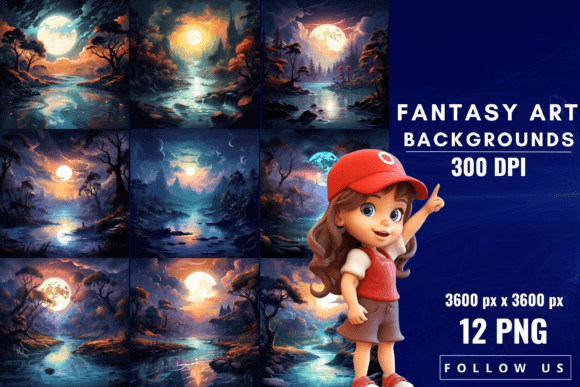
When you close your eyes and imagine a world beyond our own, what do you see? Towering crystal spires piercing twilight clouds, ancient forests where bioluminescent flora glows softly, or perhaps a dragon's lair glinting with untold treasures. This is the domain of fantasy art, and its power to transport us is unparalleled. For designers, marketers, and creators, harnessing that power starts with the right foundation—literally. Fantasy Art Backgrounds are more than just decorative images; they are immersive environments, storytelling starters, and brand-defining assets that set a magical tone for any project.
The Visual Language of Enchantment
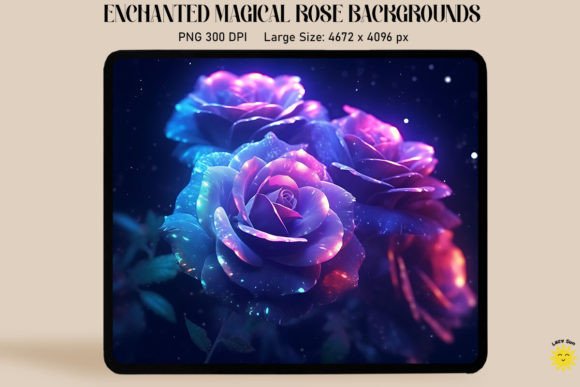
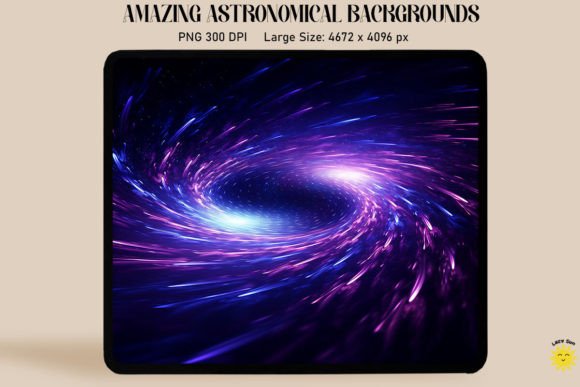
A high-quality fantasy art background speaks a specific visual language. It's defined by a few key characteristics. First, there's atmospheric depth. These scenes are rarely flat; they use layered elements—misty foregrounds, detailed midgrounds, and evocative backgrounds—to create a sense of three-dimensional space you can almost step into. Color palettes are deliberate and mood-driven, ranging from the ethereal pastels of a fairy glen to the deep, saturated jewel tones of a sorcerer's study.
The personality of these backgrounds is inherently imaginative and evocative. They don't just show a place; they suggest a story. Is that castle abandoned or merely waiting? Who travels the path winding through the enchanted wood? This narrative quality makes them incredibly versatile. They work as a stunning backdrop for a fantasy novel cover, but also as a compelling header for a tech company's blog about "building the future" or a life coach's site about "crafting your own destiny." The style blends classic artistic influences—like the detailed landscapes of the Hudson River School or the romanticism of the Pre-Raphaelites—with modern digital painting techniques, resulting in assets that feel both timeless and contemporary.
Strategic Applications Across Industries
The real-world value of these assets lies in their adaptability. They are not just for fantasy book covers or RPG game menus, though they excel there. Consider these practical applications:
- Branding & Logo Design: For businesses in gaming, entertainment, publishing, or even boutique hospitality, a fantasy background can become a core part of the brand identity. It sets an immediate mood of wonder, quality, and escapism. Use a subtle, textured version as a website background or a more focused scene for hero images.
- Editorial & Publishing Design: Magazines, blogs, and books use these backgrounds to create captivating chapter openers, pull quotes, or section dividers. They add a layer of professionalism and artistic depth that generic textures cannot match, enhancing visual hierarchy and reader engagement.
- Marketing & Social Media Graphics: In a crowded feed, a scroll-stopping image is everything. Fantasy backgrounds provide that instant "wow" factor. Use them for promotional graphics, event announcements, or quote cards to dramatically increase audience engagement and shareability. They make even simple text look premium.
- Packaging & Product Design: Imagine a gourmet tea blend, a specialty coffee, or a luxury candle with packaging featuring a mystical forest or a celestial map. It communicates a story, an experience, and a higher perceived value, directly influencing brand perception.
- Digital & Web Design: Beyond headers, use them for webinar slides, course modules, or podcast artwork. They provide a cohesive and immersive environment for digital content, making learning or listening feel like an event.
- Personal & Creative Projects: For hobbyists, crafters, and artists, these backgrounds are perfect for creating custom phone wallpapers, digital scrapbooking, personalized stationery, or inspiring art prints. They fuel creativity and allow for personal expression.
Choosing and Implementing Your Fantasy Assets
Not all fantasy backgrounds are created equal. Selecting the right one is a practical design decision. Start by evaluating the project fit. A dark, moody dragon's lair might be perfect for a heavy metal band's merchandise but overwhelming for a children's fantasy storybook. Look for backgrounds that complement, not compete with, your primary content—whether that's text, a product photo, or a logo.
Test for readability and hierarchy is non-negotiable. Always overlay your text or key graphic elements on the background during the selection process. Does your headline remain clear and legible? A busy background might require a semi-transparent overlay or a carefully chosen text color with high contrast. This is where understanding modern typography principles is crucial; pairing a bold display font with a simple sans serif font for body text often works best against an intricate scene.
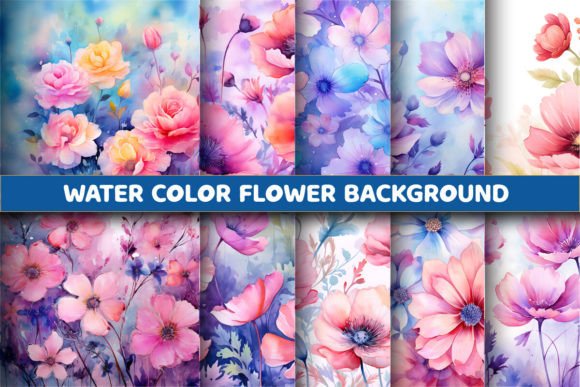
Consider the font pairing with your background's style. A rugged, mountainous scene might pair well with a strong serif font or a rustic script font. A delicate, floral fantasy might suit an elegant handwritten font. Always review the included styles and variations of your premium font to ensure you have the necessary weights and italics for proper hierarchy.
Finally, understand the commercial licensing. For any professional use—whether for a client, a business, or a product you sell—ensure the asset comes with a clear, commercial license. This protects you legally and is a mark of professionalism. High-quality design assets are an investment that pays for itself in saved time and elevated results.
In essence, Fantasy Art Backgrounds are a gateway. They are a creative font