Unlocking the Sparkle: Practical Uses for Magic Glitter Light Bokeh Backgrounds
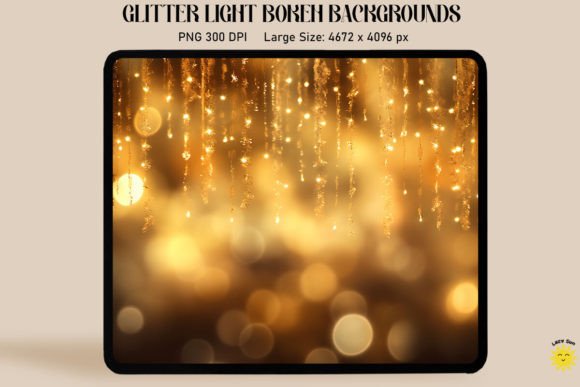
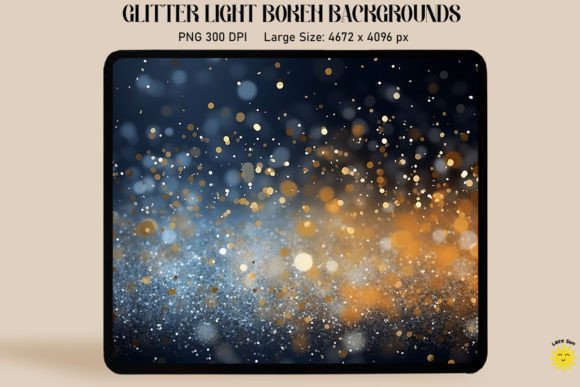
When you first open the file for a Magic Glitter Light Bokeh Background, the immediate impression is one of depth and warmth. Unlike a flat, solid color, these backgrounds offer a complex interplay of light and shadow, mimicking the effect of out-of-focus lights—known as bokeh—combined with a distinct, shimmering glitter texture. The result is a design asset that feels three-dimensional and dynamic. It doesn't just sit behind your content; it creates an atmosphere. This particular style, with its luminous sparkles and soft gradients, brings a sense of magic and celebration to any project. It’s a versatile tool in a designer's toolkit, especially when a project calls for a touch of glamour or a festive mood without relying on clichéd holiday imagery.
More Than Just a Pretty Picture: The Technical Edge
From a practical standpoint, the value of these glitter bokeh backgrounds lies in their specifications. The included PNG file comes in at a substantial 4672 x 4096 pixels with a high resolution of 300 DPI. What does this mean for your work? In simple terms, it’s a premium font for your backdrop. You can scale it for large-format printing—think event banners, posters, or even trade show displays—with confidence that the texture will remain crisp and the light effects will not pixelate. This high resolution is crucial for professional print projects where quality cannot be compromised. For digital use, this size offers incredible flexibility. You can crop into a specific section for a social media post or use the entire canvas as a website hero image, ensuring your design assets look sharp on high-retina screens.
The file format is also worth noting. As a PNG, it supports transparency and maintains quality, making it easy to layer text, graphics, or photos on top. However, it’s important to remember that this is a raster image, not a vector or layered file like an SVG. It’s a finished, textured surface designed to be used as-is or resized, not deconstructed. This makes it a fantastic choice for projects where you need a visually rich background immediately, without the time investment of creating complex light effects from scratch.
Where These Backgrounds Truly Shine: Project Applications
The true test of any design asset is how it performs across different mediums. These sparkling bokeh wallpapers are surprisingly adaptable. Here’s where they work best:
- Digital & Social Media: Use them as the foundation for eye-catching social media graphics. They are perfect for announcements, sale promotions, or celebratory posts. The shimmering effect naturally draws the eye in a crowded feed, boosting engagement. They also make excellent backgrounds for podcast cover art, YouTube thumbnails, or digital invitations.
- Print & Invitations: This is where the high-resolution and 300 DPI truly pay off. Think wedding invitations, gala tickets, or holiday cards. The luminous bokeh textures add a layer of elegance and perceived value, making a simple card feel luxurious. They are also ideal for scrapbooking, both digital and traditional, adding a magical touch to memory pages.
- Branding & Marketing: For brands in the beauty, event planning, jewelry, or entertainment industries, these backgrounds can become a consistent part of the brand identity. Use them in email headers, website banners, or product packaging for a cohesive, glamorous look. They can help establish a brand personality that is celebratory, sophisticated, or whimsical.
- Web Design & Presentations: A subtle, dark-toned version of these bokeh pattern backdrops can work beautifully as a website background, especially for sites promoting events, luxury goods, or creative services. In presentations, they can replace boring white slides, helping to maintain audience attention during key moments.
Integrating Light and Text: A Designer’s Guide
Using a busy, textured background effectively requires some thoughtful font pairing and layout strategy. The goal is to ensure your message isn’t lost in the sparkle. Here are some practical tips:
- Prioritize Readability: The most critical consideration is contrast. If you’re placing text over a lighter section of the bokeh, use a dark, bold font. For darker areas, a light or white typeface works best. Consider adding a subtle dark gradient overlay or a semi-transparent shape behind your text to guarantee it pops. This maintains the visual appeal while upholding visual hierarchy.
- Choose Complementary Fonts: Let the background set the tone. A glamorous, glittering backdrop pairs well with elegant serif fonts or sophisticated script fonts for headlines. For body text, a clean, simple sans serif font will provide the necessary readability and balance. Avoid overly decorative or handwritten fonts for large blocks of text, as they can become difficult to read against a complex texture.
- Use the Background Strategically: You don’t have to use the entire image. Cropping in to use just a corner of shimmering lights can create a dynamic composition for a logo or a call-to-action button. This technique allows you to incorporate the magic of the background without overwhelming your core content. It’s about using the asset to enhance, not dominate, your design.
Making It Your Own: Final Considerations
Before you start, remember this is a digital product delivered in a ZIP file. You’ll need to unzip it on your computer to access the PNG. While it’s not a commercial font file, the license typically allows for use in both personal and commercial projects, which is a significant advantage for small business owners and entrepreneurs. Always double-check the specific license terms provided by the creator, in this case, Lazysun.
Finally, don’t be afraid to experiment. The beauty of a high-quality, creative font like this bokeh background is its flexibility. Resize it, crop it, adjust the brightness or contrast slightly in your editing software to better match your color palette. It’s a starting point—a powerful modern typography element for your visual story. By understanding its strengths and pairing it wisely with your typography and content, you can transform a simple design into something that feels truly special and professionally crafted.